Lineage Statement:
Sage Wellness seeks to be grounded in the liberatory traditions of Psychological Abolition and Mad Liberation. We honor these movements as ongoing calls to reimagine care beyond coercive or pathologizing systems — toward relationships that center dignity, autonomy, and collective healing.
Psych Abolition informs the belief that mental health care must move beyond carceral and medicalized logics that often reproduce harm, especially toward marginalized bodies and minds. Mad Liberation teaches us to listen to those who have survived and resisted psychiatric oppression — to recognize madness as a site of meaning, wisdom, and creativity rather than pathology.
In this lineage, our practice is both therapeutic and political: a space to unlearn internalized oppression, to witness pain without reducing it to diagnosis, and to cultivate freedom in connection.
Therapy Services
AREAS OF SPECIALTY INCLUDE:
Perinatal Mental Health (e.g. loss, postpartum, matrescence)
Recovery & Wellness for Activists/Community Leaders
Collective/Group-based Healing
Carceral Harm/Coercive Control Recovery (e.g. Spiritual/Religious Trauma)
Intergenerational Conflict & Trauma (e.g. Parenting Support, Inner Child Work)
Grief
LGBTQIA+
Life Transitions/Values Clarification

GROUPS



“Help for the Helpers”
Therapist Mentorship
Navigating the mental health field as a budding professional can be confusing and overwhelming. Upon completion of a graduate program, many resident/license eligible counselors need support while they acquire their direct hours required for licensure. Not to be confused with clinical supervision, my “Help for the Helpers” Therapist mentorship can include:
Career path planning
Speciality identification
Resume/CV creation/editing
Professional goals and therapist identity formation
Anti-Oppressive Services Mentorship
Compassion Fatigue healing & Burnout prevention coaching
Community Engagements
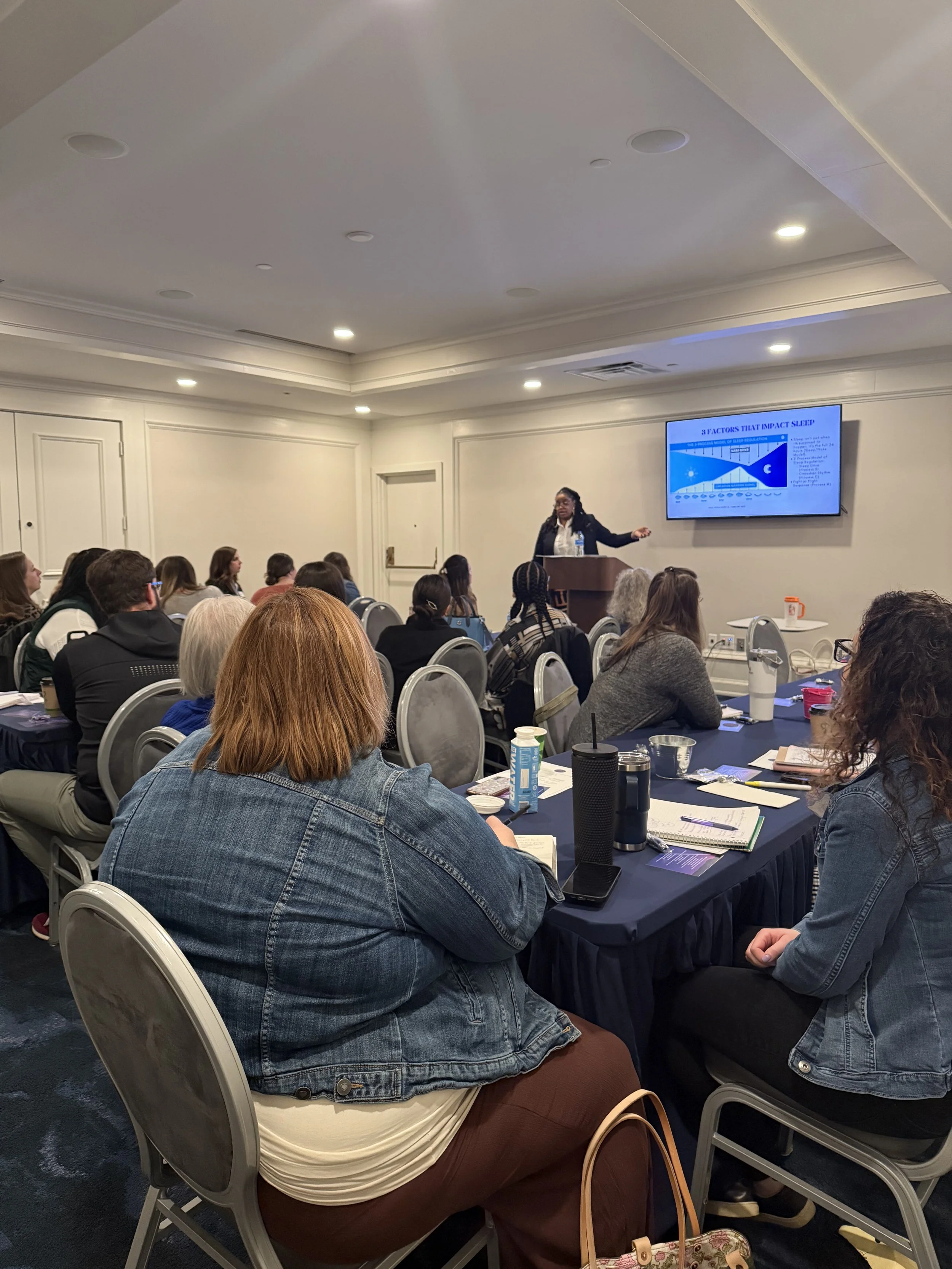
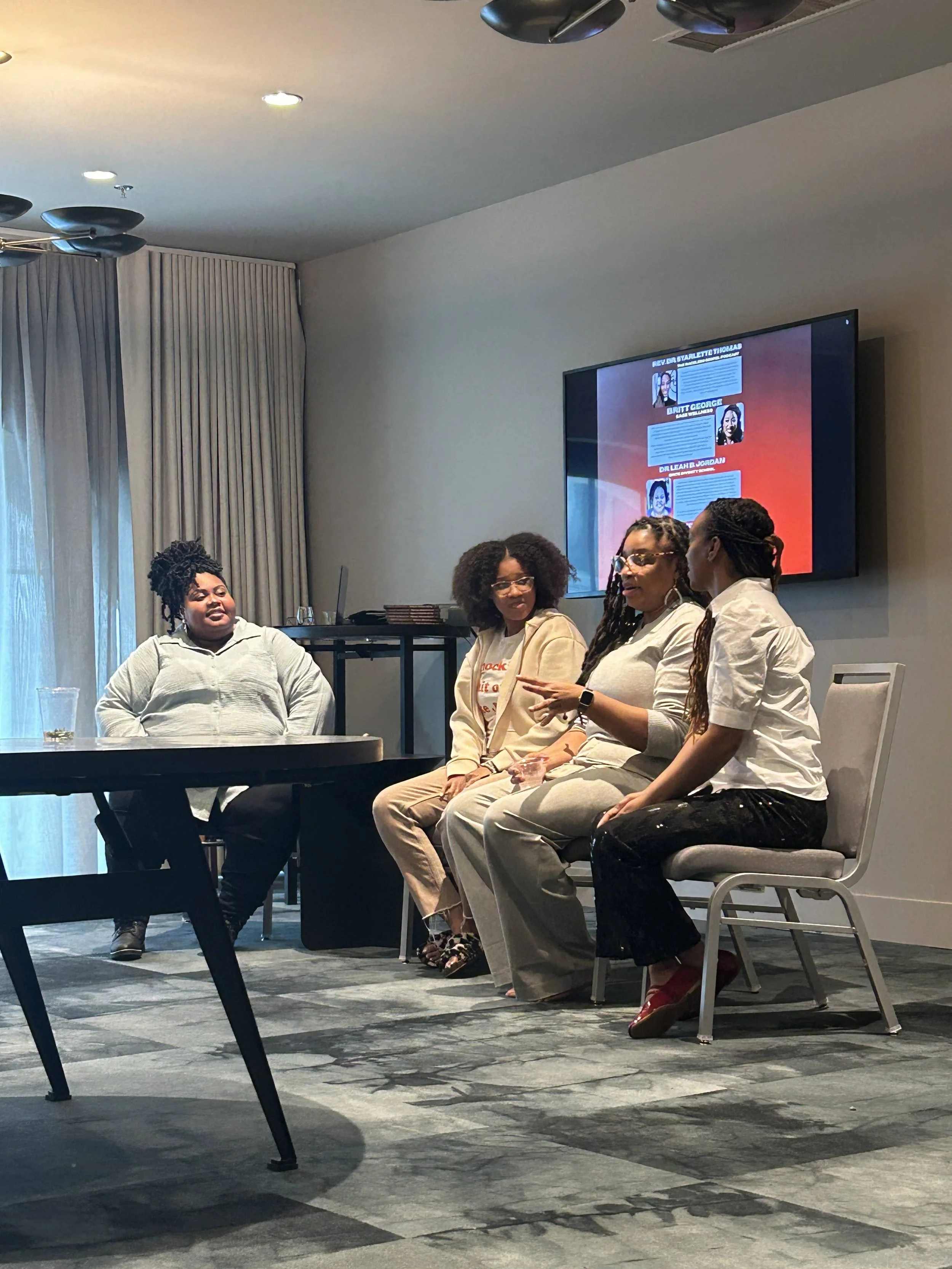
An essential component of advocacy and activism is to raise awareness of systemic barriers which affect the wellness of others. I have served in multiple capacities to present a curated combination of data and empathy before government officials, community members, and agency leaders. Having an awareness of issues that affect our most vulnerable, I am experienced both as contributing orator and facilitator at the following venues:
Workshops/conferences
Virtual and in-person staff trainings
Round-table/brainstorming discussions
Community Q&A panels
Additionally, many organizations require support to ensure their programs reflect equity and sound mental health practices. I enjoy collaborating with other community agencies, non-profits, academics, and activist efforts to provide the following:
Consultation
Staff Training
Networking
Dissertation research support/interviewing
Program development and planning
Pay Models
We believe that access to quality mental health care should be as equitable as possible. To support clients with varying financial circumstances, we offer multiple payment options.
-
Healing should not be reserved only for those with the greatest financial resources. While I recognize that therapy is a professional service requiring sustainable compensation, I also recognize that access to mental health care is shaped by systems of privilege, oppression, generational wealth, healthcare inequities, and other structural barriers.
This Equitable Pay Model reflects my commitment to expanding access while maintaining a sustainable practice. A limited number of therapy spaces are available on a sliding scale ranging from pro bono to $100 per session. Rather than asking clients to justify their circumstances, this model is rooted in transparency, trust, and the understanding that financial capacity exists on a continuum.
-
Clients who are able to pay the full help make the Equitable Pay Model possible, allowing more people to access quality mental health care regardless of financial circumstances.Private pay is available for clients who:
Prefer not to use their health insurance for personal or professional reasons
Wish to maintain greater privacy by avoiding insurance involvement
Have insurance plans that are out-of-network with my practice
Choose to invest in therapy without the requirements or limitations that may accompany insurance coverage
My current private pay fees are:
$175 for 53+ minute psychotherapy sessions
$180 for the annual intake/diagnostic assessment
Choosing private pay allows for greater flexibility in treatment planning, as care is not subject to insurance requirements such as medical necessity criteria, diagnosis reporting, session limits, or treatment authorization. Many clients value the ability to engage in therapy on terms that best align with their personal, professional, and healthcare preferences.
-
I proudly accept vouchers through:
Inclusive Therapists Mental Health Fund
The Loveland Foundation
Clients must obtain these vouchers prior to beginning services. Eligible vouchers currently reimburse up to 12 therapy sessions at $120/$125 per session, subject to each organization's program guidelines.
-
We are currently in-network with the following insurance plans:
Aetna
Anthem Blue Cross Blue Shield
Blue Cross Blue Shield of Massachusetts
CareFirst
Carelon Behavioral Health
Cigna
Horizon Blue Cross Blue Shield of New Jersey
Optum (including UnitedHealthcare, Oscar, Surest, and Oxford)
Providence Health Plan
If you're unsure whether your plan includes mental health benefits or whether we're a good fit, we’re happy to help you explore your options, as well as run a pre-authorization prior to scheduling.


PAST ENGAGEMENTS